

Business
Govts must improve transparency to cut borrowing costs – IMF

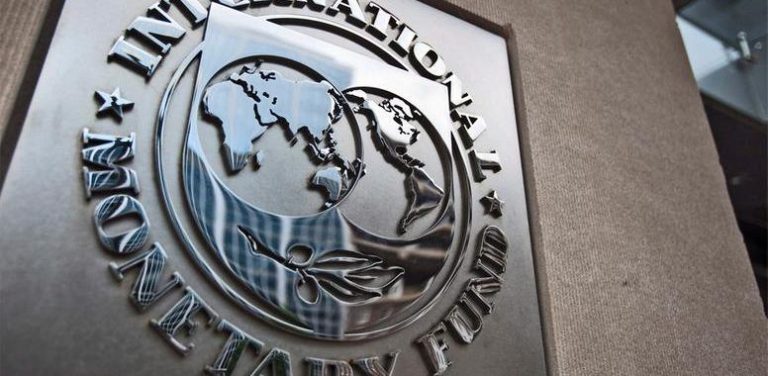

The International Monetary Fund has warned that a lack of transparency in government borrowing is eroding investor confidence, raising borrowing costs, and leaving economies more vulnerable to debt crises.
In a blog post seen on Tuesday, Deputy General Counsel of the IMF, Yan Liu, said public debt is projected to reach almost 100 per cent of global gross domestic product by the end of this decade, surpassing pandemic levels.

Mounting debt servicing costs and shrinking fiscal space, particularly in emerging markets and developing economies, are squeezing budgets and leaving governments with less room for social spending or investments.
Liu said countries are increasingly using complex instruments such as securitised, collateralised and guaranteed contracts linked to state-owned enterprises and public-private partnerships.
These liabilities often remain hidden until they emerge during debt restructuring, she added.
“When revealed, hidden debt can erode confidence in the government, in its data, and in its administrative capacity to provide an accurate representation of the country’s finances,” Liu wrote. “This may lead to higher borrowing costs and, if the size of the hidden debt is substantial, put debt sustainability at risk and potentially trigger a debt crisis.”
The IMF argued that legal frameworks are central to improving disclosure.
Its recent review of debt-related laws in 85 countries found that fewer than half required debt management and fiscal reporting by statute.
In many cases, state-owned enterprises and sub-national borrowing fall outside official definitions of public debt, allowing liabilities to accumulate off the balance sheet.
The global lender called on governments to enact and enforce laws that clearly define public debt, set out who is authorised to borrow, and require full disclosure of obligations.
It also urged state audit institutions to be empowered to scrutinise debt operations and publish their findings.
-

 Politics1 year ago
Ex-State Assembly aspirant, Okoh, APC executive members join ADC in Abia
-
 Politics1 year ago
‘Bishop Onuoha, Iyke Nwoke luring ADC members into signing a document to suspend Abia chairman’-Okwara Agwu
-

 Politics1 year ago
2027: Southeast chieftain, Daniel Ifeanyi Okorie dumps PRP for ADC in Abia
-

 News1 year ago
Ex-presidential aspirant, Onwusoanya Ezendigbo calls for legislations banning children of public office-holders to seek education, healthcare aboard
-

 Politics1 year ago
Abia ADC announces LG chairpersons for membership registration pending harmonization
-

 Politics1 year ago
Abia ADC disciplinary committee summons national welfare secretary, Ukandu over alleged misconducts
-

 Politics1 year ago
Abia chieftain, Emeka Bahadur tasks ADC members on grassroots mobilization
-

 Politics1 year ago
Stalwart, Emeka Bahadur welcomes ADC NWC to Abia on One-day leadership summit